Milk Pasteurization Plant: How HTST Systems Work and How to Choose the Right One
If you are looking for a milk pasteurization plant, the short answer is this: pasteurization is a specific step, usually HTST (High Temperature Short Time), where milk is heated to a controlled temperature for a set number of seconds and then rapidly cooled to kill harmful pathogens while preserving nutritional quality and shelf life. Some buyers searching for a milk pasteurization plant actually need a full processing line with pasteurization built in as one stage, while others genuinely need a standalone pasteurization unit to add to equipment they already have. Getting that distinction right before requesting quotes is what actually determines whether you end up comparing the right numbers.
What a Milk Pasteurization Plant Actually Does
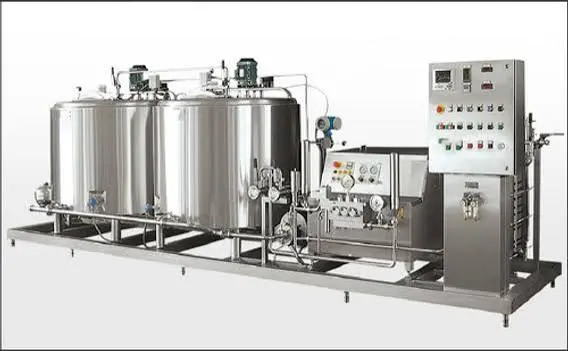
HTST pasteurization works by heating milk to a controlled temperature for a set number of seconds and then cooling it rapidly, a method that kills harmful bacteria while preserving nutritional quality and shelf life far better than older, slower heating methods. This single step is why pasteurized milk is safe for consumption and has a meaningfully longer shelf life than raw milk, and it is often the most tightly regulated stage in an entire dairy processing line. A milk pasteurization plant can be sized as a standalone unit, added onto equipment you already run, or built directly into a larger milk processing plant as one integrated stage rather than a separate machine.
Mini Dairy Plant vs Full Milk Processing Plant vs a Pasteurization-Only System
| Setup Type | Typical Capacity | Best Suited For |
| HTST Pasteurization Plant | 500 to 2,500 LPH | Businesses whose core need is safe, shelf-stable pasteurized milk, either standalone or as one stage within a larger processing line |
| Mini Dairy Plant | 200 to 800 litres per hour (LPH) | New or small dairy businesses, cooperatives, and entrepreneurs starting with a limited daily milk volume |
| Full Milk Processing Plant | 1,000 to 2,500 LPH | Established dairies scaling up production, or businesses supplying multiple retail or institutional buyers |
A mini dairy plant manufacturer is generally solving for a different problem than a full milk processing plant manufacturer. The mini setup prioritises a lower entry cost and simpler operation, while a full processing line adds capacity, more automation, and often additional processing stages like standardisation and homogenisation, with pasteurization as just one part of that larger system.
What to Look for in a Milk Pasteurization Plant Manufacturer
Not every manufacturer builds to the same standard, and a few factors matter more than price when comparing options.
- Material grade. Food-grade stainless steel, typically SS 304 or SS 316, affects both hygiene and equipment lifespan, and this is not an area to compromise on for cost savings.
- Automation level. More automated systems reduce labour dependency and human error but cost more upfront, while manually operated systems cost less but need more skilled operators day to day.
- Customisation for your product mix. A plant built only for liquid milk is a different design brief than one that also needs to support ghee, ice cream, or other dairy products down the line.
- After-sales support and spare parts availability. Equipment that runs daily will eventually need servicing, and a manufacturer without responsive local support turns a minor issue into extended downtime.
- Manufacturing track record. A manufacturer that has been building and installing this specific equipment for a decade or more has generally worked through the design issues that a newer entrant may still be solving on your installation.
Maxonova has been manufacturing dairy processing equipment since 2010, and our about us page covers the manufacturing background and experience behind our plant designs.
Matching Capacity to Where Your Dairy Business Actually Is
Buying more capacity than your current milk supply and customer base actually need is one of the more expensive mistakes in this category, since a larger plant costs more upfront and often needs more space, more power, and more operating staff regardless of whether it runs at full capacity. A mini dairy plant in the 200 to 800 LPH range suits most new or small-scale operations, while a full milk processing plant in the 1,000 to 2,500 LPH range fits businesses that already have a proven supply chain and customer demand to justify the jump. If pasteurization specifically is the gap in your current setup, our HTST milk pasteurization plants are available at both 500 and 2,500 LPH depending on where that fits in your existing line.
Common Mistakes When Buying Dairy Processing Equipment
Buying based on manufacturer price alone, without confirming stainless steel grade and after-sales support, tends to cost more in the long run through faster wear, hygiene issues, or unplanned downtime with no local support to call. Choosing capacity based on future ambition rather than current, proven milk supply is another frequent mistake, since idle capacity still costs money in space, power, and staffing even when it is not being used. Finally, treating pasteurization plant and full processing plant as interchangeable terms when requesting quotes leads to comparing numbers that are not actually comparable, which makes it harder to judge which manufacturer is genuinely offering better value.
Frequently Asked Questions
Do I need a separate milk pasteurization plant if I already have a milk processing line?
Not necessarily. Many full milk processing plants include pasteurization as a built-in stage, so a standalone pasteurization unit is usually only needed if you are adding or upgrading this one step within an existing setup.
What is the difference between a mini dairy plant and a full milk processing plant?
A mini dairy plant typically covers 200 to 800 litres per hour and suits smaller or newer operations, while a full milk processing plant covers 1,000 to 2,500 litres per hour and generally includes more processing stages and automation for established, higher-volume businesses.
What stainless steel grade should dairy processing equipment use?
Food-grade SS 304 or SS 316 stainless steel is standard for hygiene and durability in dairy equipment, and choosing a lower grade to save on upfront cost typically leads to faster wear and potential hygiene issues over time.
How do I know what capacity (LPH) my dairy business actually needs?
Base capacity on your current, proven daily milk supply and confirmed customer demand rather than future growth targets, since a plant with idle capacity still costs money in space, power, and staffing regardless of how much it is actually processing.
How much does a milk processing plant cost?
Cost depends heavily on capacity, stainless steel grade, automation level, and any additional processing stages included, so it varies too much to quote as a single figure without first confirming your specific requirements with a manufacturer.
Why does manufacturer experience matter for dairy processing equipment?
A manufacturer with a longer track record has typically already resolved common design and hygiene issues through years of installations, while a newer entrant may still be working through those problems on your specific plant.
Getting the Right Fit for Your Dairy Business
Whether you need a mini dairy plant to get started, a full milk processing plant to scale an existing operation, or a dedicated pasteurization system to fill a specific gap, the right choice comes down to matching capacity and specification to your actual, current business, not a generic recommendation. Getting that scoping conversation right with your manufacturer before comparing quotes is what actually determines whether the investment pays off.
Leave A Comment