HTST or Batch: Which Pasteurization Method Actually Fits Your Dairy?
The short answer: HTST (High Temperature Short Time) pasteurization runs milk continuously at around 72°C for about 15 seconds and suits dairies that need steady, higher-volume throughput, while batch (vat) pasteurization heats a fixed volume to around 63°C and holds it for about 30 minutes, which suits smaller volumes, specialty products, or dairies just getting started. Choosing between them before you buy equipment matters more than choosing between brands, because it changes your equipment cost, your daily throughput ceiling, and how your plant actually runs day to day.
This comparison sits one step before manufacturer selection. If you already know you need HTST milk pasteurization, this confirms the fit. If you are not sure yet, start here first.
HTST vs Batch Pasteurization Compared
| Factor | HTST (Continuous) | Batch (Vat) |
| Typical temperature and time | Around 72°C for about 15 seconds | Around 63°C for about 30 minutes |
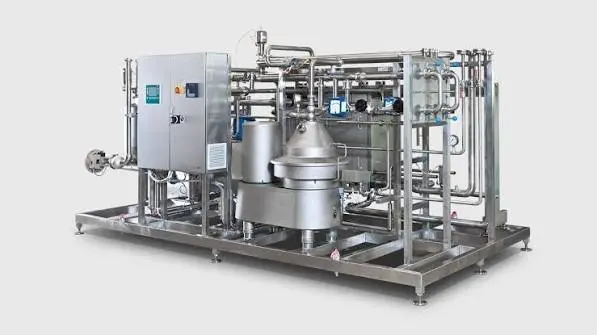
| Process style | Continuous flow through plate heat exchangers | Fixed volume heated and held in a jacketed vat |
| Best fit throughput | Higher volume, ongoing daily production | Lower volume, smaller or seasonal operations |
| Equipment complexity | More automation and controls | Simpler mechanically, fewer moving parts |
| Upfront investment | Generally higher | Generally lower |
| Product flexibility | Efficient for consistent, standardized runs | Easier to run small, varied, or specialty batches |
| Common use case | Growing or established dairy plants scaling daily output | New dairy businesses, mini dairies, or specialty/artisanal producers |
Why the Temperature and Time Actually Matter
Both methods exist to achieve the same outcome, destroying pathogenic bacteria and extending shelf life, but they get there differently, and the numbers are not interchangeable or arbitrary. Higher temperature for a short time (HTST) and lower temperature for a longer hold (batch) are both established, validated combinations for safe pasteurization, but running a batch-style hold time at HTST temperature, or vice versa, does not produce an equivalent result. This is why the equipment itself, not just the temperature dial, is built around one method or the other.
Matching the Method to Where Your Dairy Business Actually Is
A brand-new mini dairy processing a modest daily volume rarely needs HTST’s throughput or its higher upfront cost. A batch-based dairy plant set up for smaller daily volumes is usually the more sensible starting point, and it is simpler to operate with a smaller team. As daily volume grows past what batch processing can comfortably handle in the working hours available, that is the point where a continuous HTST milk processing plant starts to make financial sense, since it processes far more milk per hour without proportionally more labor.
The mistake worth avoiding is buying HTST capacity before your actual daily volume justifies it, or staying on batch processing long after your volume has outgrown what it can realistically handle in a working day.
Common Mistakes When Choosing a Pasteurization Method
- Choosing HTST because it sounds more advanced, before daily volume actually requires that throughput.
- Assuming batch pasteurization is “lower quality” rather than simply a different method suited to different volumes and product types.
- Not accounting for the fact that HTST equipment generally requires more consistent, continuous supply to run efficiently, which matters if your milk collection is irregular.
- Overlooking that switching methods later means new equipment, not just a settings change on the same machine.
FAQs
Is HTST pasteurization better than batch pasteurization?
Neither is universally better. HTST suits higher, continuous throughput, while batch suits smaller volumes and specialty production. Both are validated, standard pasteurization methods when run at their correct temperature and time.
Can one plant do both HTST and batch pasteurization?
Some larger operations run separate lines for each, typically when they need high-volume standard products alongside smaller specialty runs, but this adds cost and complexity that only makes sense at a certain scale.
Does batch pasteurization take longer overall than HTST?
Per batch, yes, since it involves a much longer hold time. But for genuinely small daily volumes, a batch system can still complete the day’s processing well within normal working hours.
What determines whether I need HTST for my dairy business?
Your actual current and near-term daily processing volume, not your ambitions for the business in a few years. Buying ahead of real demand ties up capital that could otherwise fund growth as volume actually increases.
Is HTST equipment harder to maintain than batch equipment?
HTST systems generally have more components (plate heat exchangers, flow controls, automation) and benefit from more structured maintenance, while batch systems are mechanically simpler with fewer parts to service.
Which method is more common for new dairy businesses in India?
Many new and smaller dairy operations start with batch pasteurization due to lower upfront cost and simpler operation, then move to HTST as daily volume grows and continuous processing becomes more cost-effective per liter.
Once You Know Which Method Fits
The temperature, time, and throughput differences above should settle whether HTST or batch pasteurization fits your current stage, before capacity numbers or manufacturer comparisons come into play. Once that is clear, talk to our team about sizing the right plant for your actual daily volume.
Leave A Comment